
- Business Partnership Proposal Template
Business Partnership Proposal Template
Propose a partnership with another company, from product integration to co-marketing, with shared goals and a clear way to agree.

About this template
Use this template to propose a partnership with another business, such as an integration, a co-marketing arrangement or a joint offer. It covers an executive summary, the opportunity, your joint objectives, 12-month goals with success metrics and targets, how the partnership will reach them, and an accept button so the other company can agree to move forward.
The example describes two fictional software companies integrating their products and marketing together, so replace them with your own and set targets you both agree. Our guide to writing a partnership proposal covers each part. Once the details are agreed, put them in a formal partnership agreement.
Want a version built around your brand and services? Qwilr's design team can create one for you. Talk to our team
What's included?
- Executive summary
- The opportunity
- Joint objectives
- 12-month goals
- Success metrics
- How we'll achieve the goals
- Accept
Why businesses use this template
Partnerships need sign-off from leaders on both sides, often across product, marketing and sales. A proposal both teams can open and share, with the shared goals and measures set out clearly, makes it easier to agree.
Built to be shared
In our analysis of more than a million proposals, when at least two more people viewed a proposal in its first five days, acceptance nearly doubled. Read the research
Rated a Leader for proposal software on G2



Why Qwilr?
Design interactive proposals
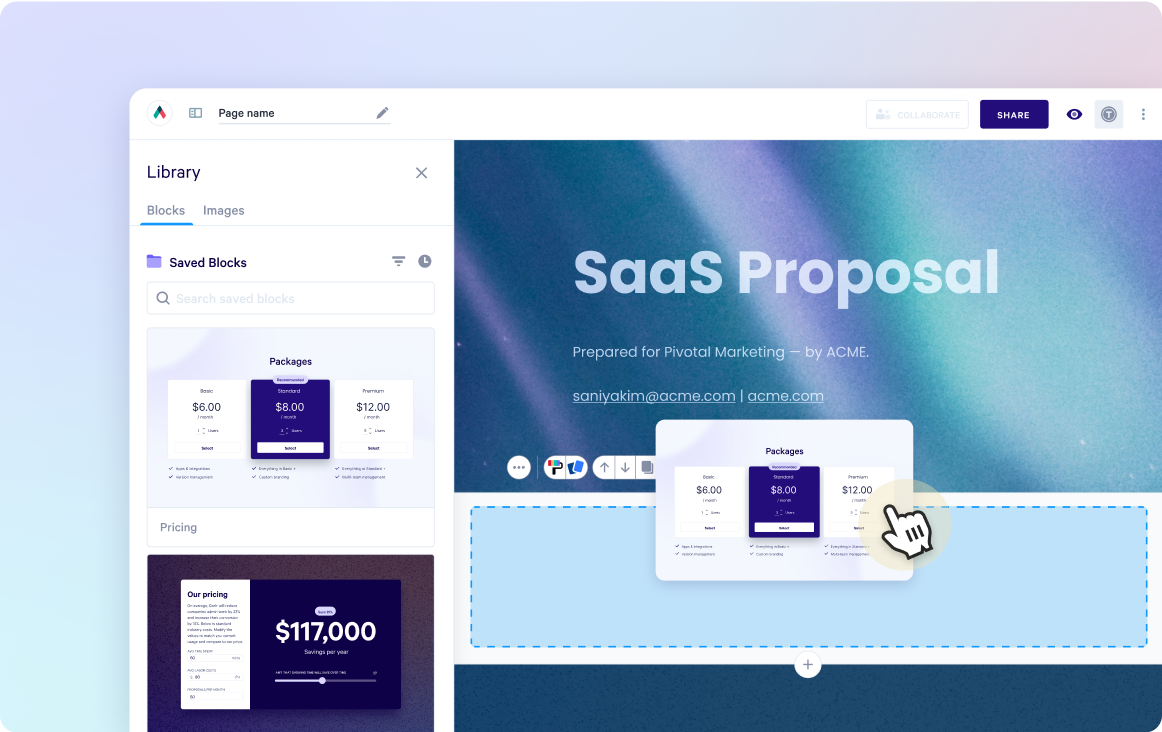
Impress buyers with interactive proposals that stand out. Qwilr’s drag-and-drop editor makes it easy to create on-brand, stunning collateral — no design skills needed. Add videos, dynamic pricing, and ROI calculators to deliver a unique experience, while automated brand customizations ensure every proposal looks professional.
Built-in e-sign functionality
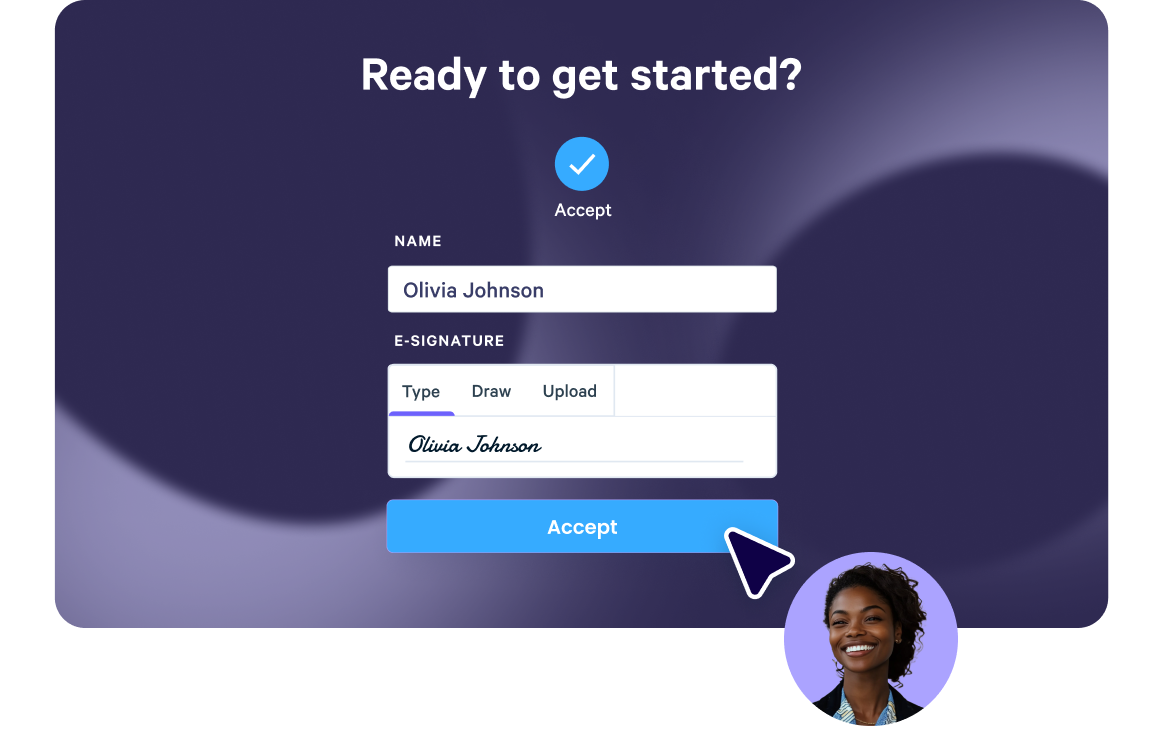
Combine stunning proposals, plain-text agreements, and secure e-signatures in one tool. Add print-friendly agreements alongside dynamic content and collect legally compliant e-signatures with ease. Track progress, capture multiple signatures, and close deals faster with Qwilr’s integrated e-sign functionality.
Real-time proposal analytics
Qwilr’s analytics provide full visibility into buyer engagement. Track when proposals are opened, signed, or shared, and get instant notifications for key buyer activities. See what buyers click on, how they engage, and prioritize follow-ups based on real-time insights—all designed to help close deals faster.

Templates for every use case
Explore templates for sales, marketing, customer success and more, or see how Qwilr works for your industry.
Explore proposal templates


Frequently asked questions
The opportunity and why now, what each company brings, the joint objectives, how you'll work together, the success metrics and targets, who's responsible on each side, any costs or revenue share, and the next steps. See our guide to writing a partnership proposal.
Lead with what's in it for them, such as access to your customers, a better product for their users or new revenue. Show you understand their business, propose a small first step, such as a joint webinar, and make it easy to say yes.
Agree a few that matter to both sides, such as shared leads, joint customers, revenue from the partnership, integration usage and campaigns delivered. Review them together each quarter and decide whether to invest more, change course or wind down.
A proposal makes the case and outlines how the partnership would work. An agreement is the legal contract that sets out the terms, obligations and how either side can exit. Agree the proposal first, then move to a partnership agreement.
Common types include technology or integration partnerships, co-marketing, referral or reseller arrangements, and joint ventures. Each needs different terms. For referral programmes, an affiliate marketing proposal may be a better starting point. Start with the simplest arrangement that achieves the goal, then expand once both sides see results.
Agree what counts as revenue from the partnership, the percentage each side receives, how it's tracked and when it's paid. Common models are a referral fee per customer, a share of recurring revenue for a set period, or a split of joint deal value. Put the outline in the proposal and the detail in the partnership agreement.