
- Software Implementation Plan Template
Software Implementation Plan Template
Give your customer a clear plan for getting new software live, from current system analysis to pilot, full rollout and support.
About this template
Use this template once a customer has signed, to agree how new software will be rolled out. It suits a software vendor's onboarding and implementation team as well as a consultancy implementing another vendor's product. It covers the objective, an analysis of the current system, the implementation strategy with timeline, resources, risks and training, configuration including integration, data migration and testing, a pilot and full rollout, a post-implementation review and ongoing support.
Each section has a short description to replace with the customer's own details. See how customer success teams use Qwilr.
Want a version built around your brand and implementation process? Qwilr's design team can create one for you. Talk to our team
What's included?
- Executive summary
- Objective
- Current system analysis
- Implementation strategy
- Software configuration
- Rollout strategy
- Post-implementation review
- Maintenance and support
- Conclusion
Why implementation teams use this template
An implementation plan is read by people on both sides, from the project sponsor to the teams doing the work. Shared as a link, everyone works from the latest version, and you can update dates or owners without sending a new file.
Rated a Leader for proposal software on G2



Why Qwilr?
Design interactive proposals
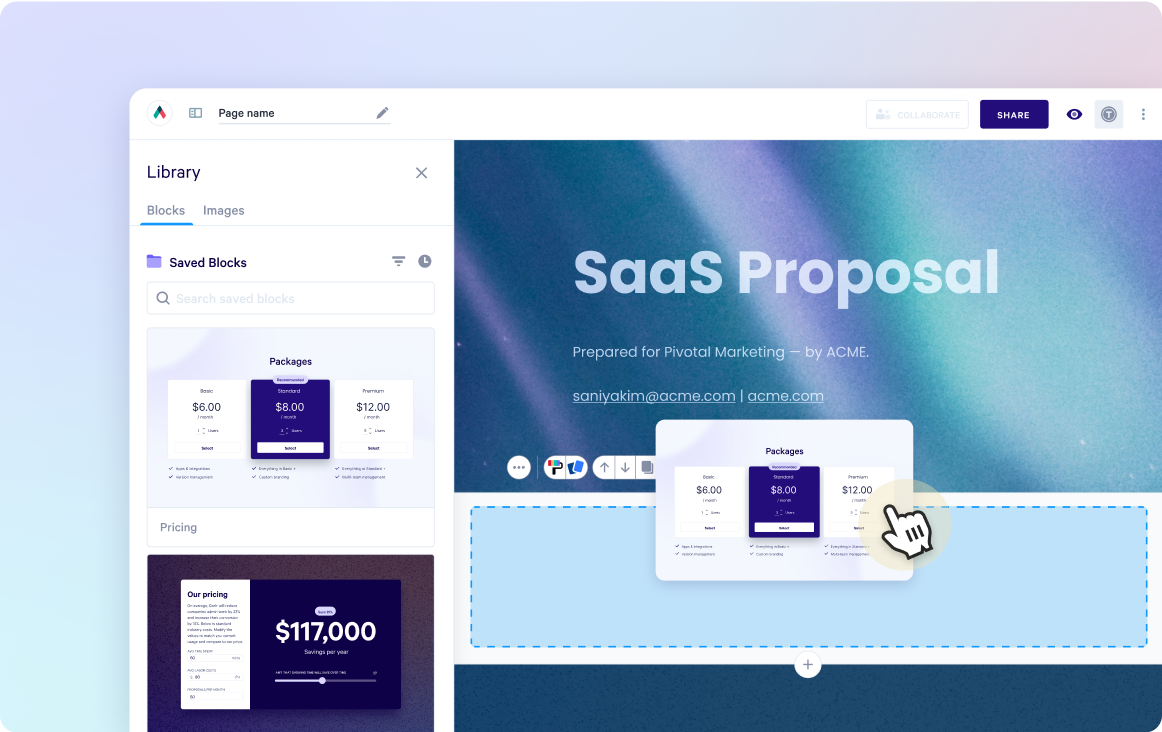
Impress buyers with interactive proposals that stand out. Qwilr’s drag-and-drop editor makes it easy to create on-brand, stunning collateral — no design skills needed. Add videos, dynamic pricing, and ROI calculators to deliver a unique experience, while automated brand customizations ensure every proposal looks professional.
Built-in e-sign functionality
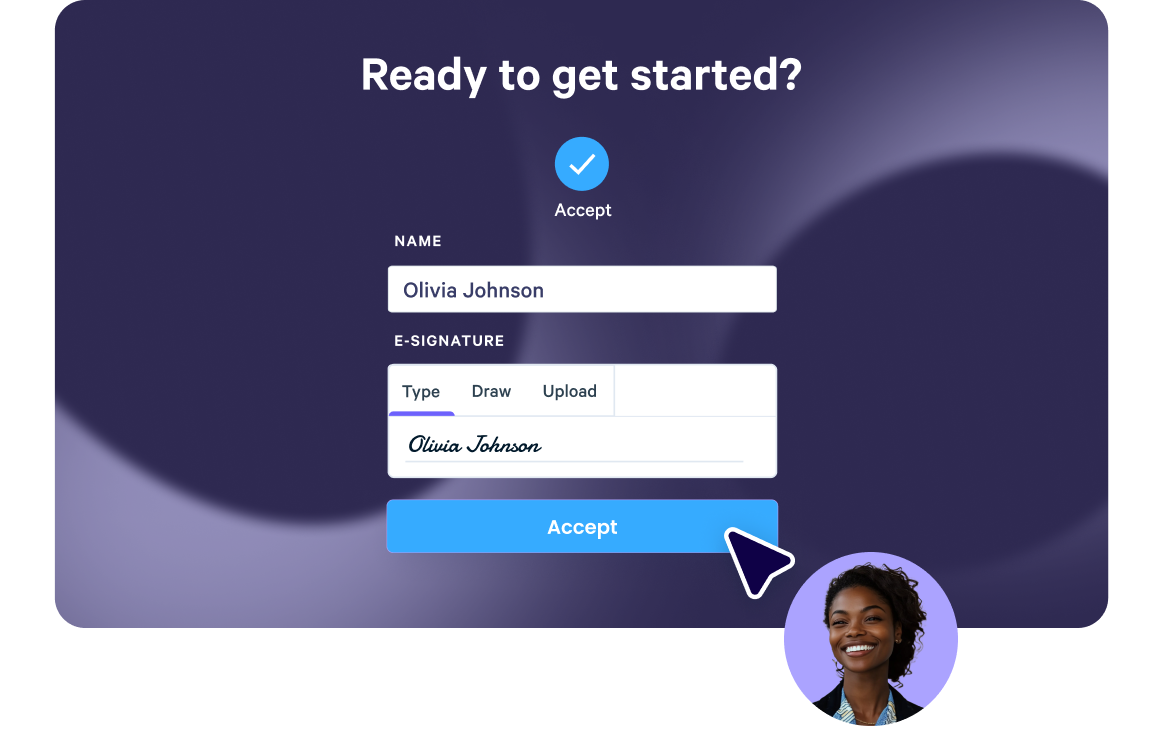
Combine stunning proposals, plain-text agreements, and secure e-signatures in one tool. Add print-friendly agreements alongside dynamic content and collect legally compliant e-signatures with ease. Track progress, capture multiple signatures, and close deals faster with Qwilr’s integrated e-sign functionality.
Real-time proposal analytics
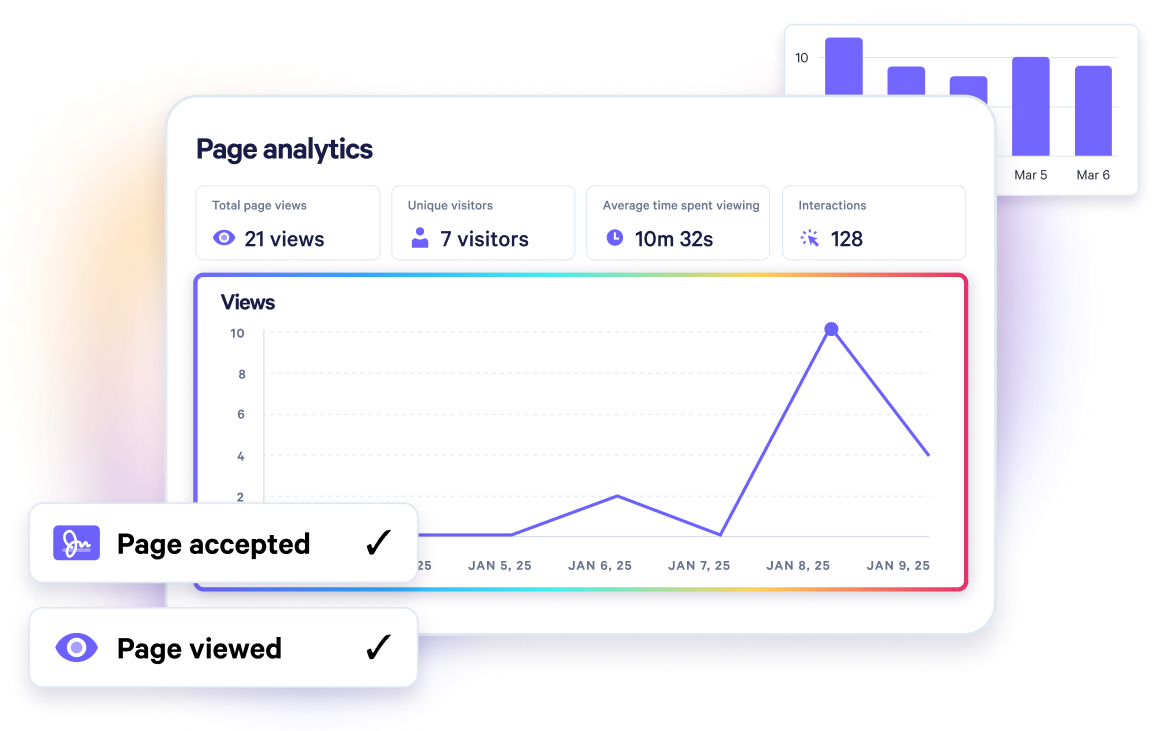
Qwilr’s analytics provide full visibility into buyer engagement. Track when proposals are opened, signed, or shared, and get instant notifications for key buyer activities. See what buyers click on, how they engage, and prioritize follow-ups based on real-time insights—all designed to help close deals faster.
Templates for every use case
Explore templates for sales, marketing, customer success and more, or see how Qwilr works for your industry.
Explore customer success templates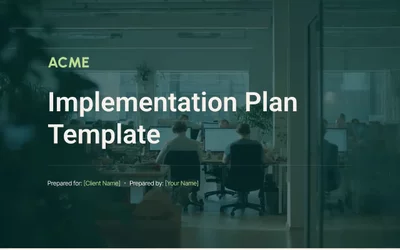



Frequently asked questions
A software implementation plan should include the objectives, the current systems and what's changing, the timeline and milestones, who's responsible for each task, integrations, data migration, testing, training, the rollout approach, risks and support after go-live. Name an owner on both sides for each workstream, since tasks without one tend to slip. See our implementation plan guide.
Most follow a similar pattern: discovery and planning, configuration and integration, data migration, testing, training, a pilot or phased rollout, full go-live and a review. How long each takes depends on how many systems and users are involved, so set firm dates once discovery is done.
For larger rollouts, usually yes. A pilot with a small group shows up problems with data, integrations or training while they're cheap to fix, and gives you internal champions for the wider launch. Agree what a successful pilot looks like before it starts, so the decision to go wider is clear.
Decide what data moves, in what format and who checks it. Clean the data before moving it, run a test migration first, and agree how long the old system stays available as a fallback. Migration often takes longer than expected, so leave room for it in the timeline.
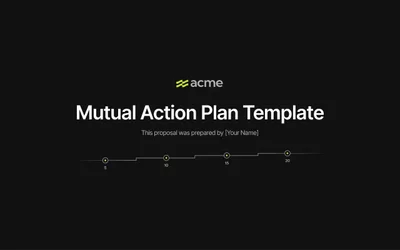
A mutual action plan is used before signing, to agree the steps both sides take to reach a decision. An implementation plan comes after signing, to get the software live. Many teams turn the last steps of a mutual action plan into the first steps of implementation.
Treat it as a working document: update dates, owners and status as things change, and review it at regular check-ins with the customer. Sharing it as a link rather than an attachment means everyone sees the latest version. See how Qwilr supports customer onboarding.