
The proposal is often the most important document in your sales cycle. It's the one asset that gets shared across the entire buying team, usually without a rep in the room to clarify context, answer questions, or handle objections.
For years, a polished PDF was seen as the professional standard. Today, it can be a bottleneck. Buyers research SaaS tools on their phones, review details in Slack, and expect pricing and terms to stay current. A static attachment that can't adapt, can't be properly tracked, and often can't be accepted without extra back-and-forth simply doesn't match how modern teams buy.
This article breaks down why interactive, web-based proposals have become the go-to for high-performing sales teams, and what that shift means for your sales process.
What is interactive proposal software?
Interactive proposal software allows sales teams to create web-based sales proposals that include dynamic content, engagement tracking, approvals, CRM integrations and embedded payments.
Why traditional PDF proposals no longer match modern buyer expectations
PDF proposals were built for a world where documents were printed, couriered, and signed in person. The format itself hasn't fundamentally changed since Adobe introduced it in 1993. Buyer behavior has.
Modern B2B buyers do far more independent research before they ever speak to a vendor. They review proposals across multiple devices and involve larger buying groups than ever. A 2024 Gartner study found the average enterprise buying group now includes six to ten stakeholders, each with different priorities, different questions, and different screens.
A static PDF can't flex to any of that. Once it leaves your outbox, it's effectively frozen. You don't know if it was opened, which sections were read, or whether it was forwarded to the CFO, or left untouched in someone's inbox.
Shortlisted vendors often lose at this stage for one reason: the proposal itself. Teams spend weeks in discovery, build a strong relationship with a single contact, then send something that reads like a product brochure rather than a business case built for this specific buyer.
Static proposals also create version chaos. A buyer comes back with questions, you update pricing, and suddenly there are two (or three) versions floating around. The proposal that gets evaluated may not be the one you intended.
What are the key advantages of interactive sales proposals over PDFs?
Interactive proposals don't just look more modern than PDFs. They change how buyers actually experience (and move through) your proposal. Instead of a static attachment, you're giving stakeholders a link they can open anywhere, explore in the order that matters to them, and act on without extra back-and-forth. Here are the key advantages.

How do interactive proposals enhance buyer engagement?
Interactive proposals are web pages, not documents. They open in a browser, adapt to any screen size, and let you embed things like video, interactive pricing tables, live ROI calculators, and case study carousels directly into the proposal experience.
That matters because buying teams don't read proposals from top to bottom. A CFO goes straight to pricing. A technical lead jumps to integrations. An ops manager looks for timelines and delivery detail. A web-based proposal can be structured so each stakeholder can quickly find what they need , without wading through pages written for someone else.
A web-based format also opens up things a PDF can't:
- Embedded video walkthroughs can replace long, text-heavy scope sections.
- Interactive pricing lets buyers toggle options and see the total update instantly.
- Branded, well-structured layouts make the proposal easier to scan and more credible.
- Mobile-responsive design means it still reads well on any device.
How do interactive proposals improve sales productivity?
Interactive proposals don't just improve the buyer experience They also save reps time on the admin that slows deals down.
Templates mean you're not starting from a blank page for every opportunity. CRM integrations can pull in the key details automatically (contacts, company info, deal data). And when pricing changes, you update the live proposal once instead of exporting a new PDF and sending yet another version.
Our analysis of more than one million proposals found that proposals viewed by three or more stakeholders within the first five days are 1.9 times more likely to be accepted. That kind of visibility is only possible with web-based proposals, and it gives reps the signal to follow up at exactly the right moment.
Read next: How to write a business proposal
How can sales teams replace PDF proposals with interactive experiences?
Moving away from PDFs doesn't have to mean reinventing your entire process. It's usually a format shift, not a full overhaul.
Why static attachments create friction
Every step between your buyer and a signed agreement is a potential drop-off point. PDFs add unnecessary friction at each one.
When you send a proposal as a PDF attachment, the buyer has to download it, open it in a viewer, and then work out how to get it signed and back to you, often involving a separate e-sign tool, a printer, or both. In a world where SaaS products can onboard users in a few clicks, a proposal that takes multiple tools and extra steps to accept feels out of place.
Version control is another operational headache. Pricing changes, someone asks for an updated scope, and suddenly you're creating a new PDF, renaming it ("Proposal_v3_FINAL_final.pdf"), and hoping the buyer opens the right one. There's no single source of truth.
Why buyers prefer web-based proposal experiences
A web-based proposal is simply a URL. The buyer clicks the link and it opens instantly in their browser. There's nothing to download, no software to install, and no file to lose track of.
If pricing changes, the rep updates the live proposal. The buyer uses the same link, but now sees the latest version. And if it needs to go to procurement, they can forward a URL instead of starting an endless email attachment chain.
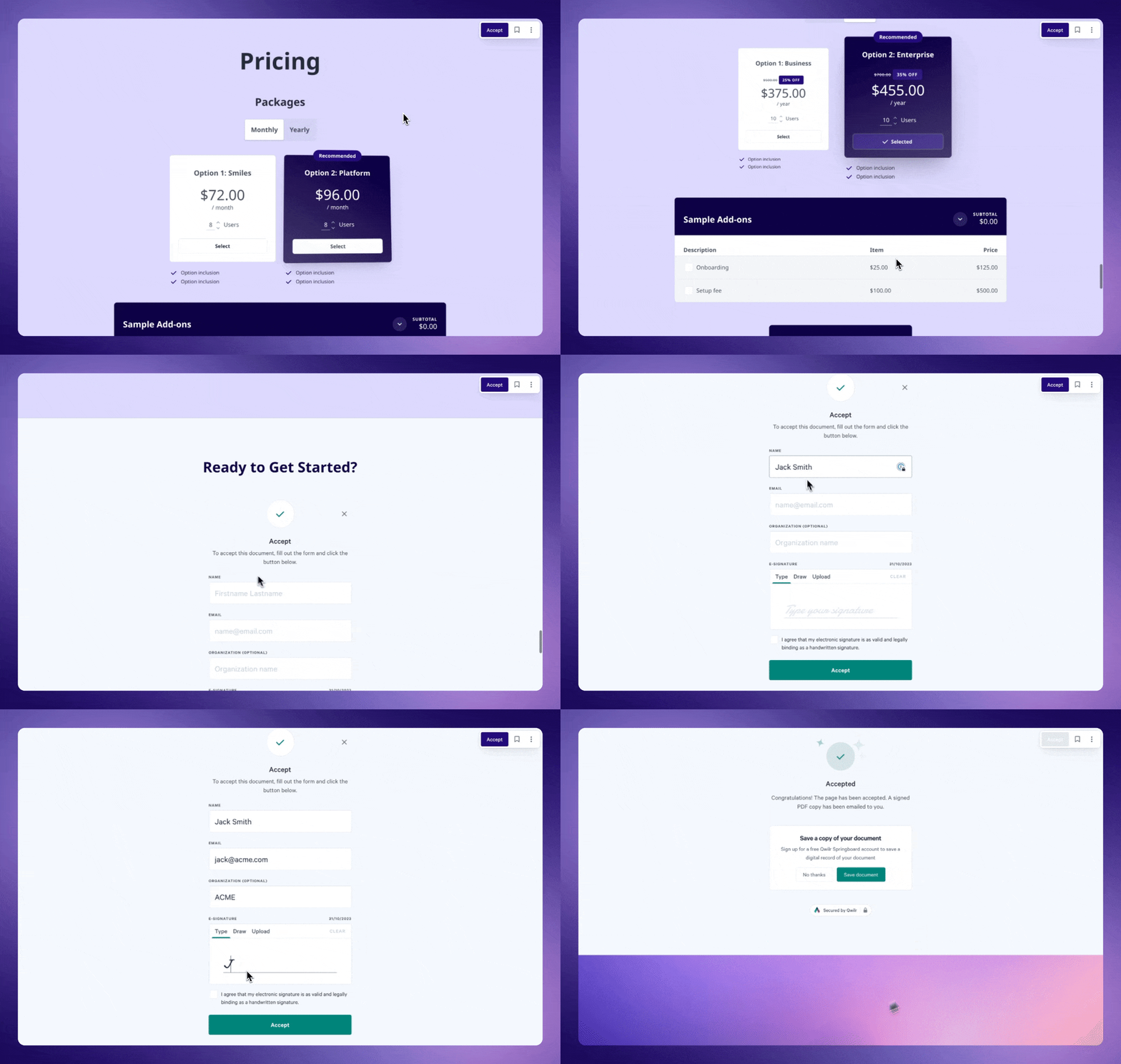
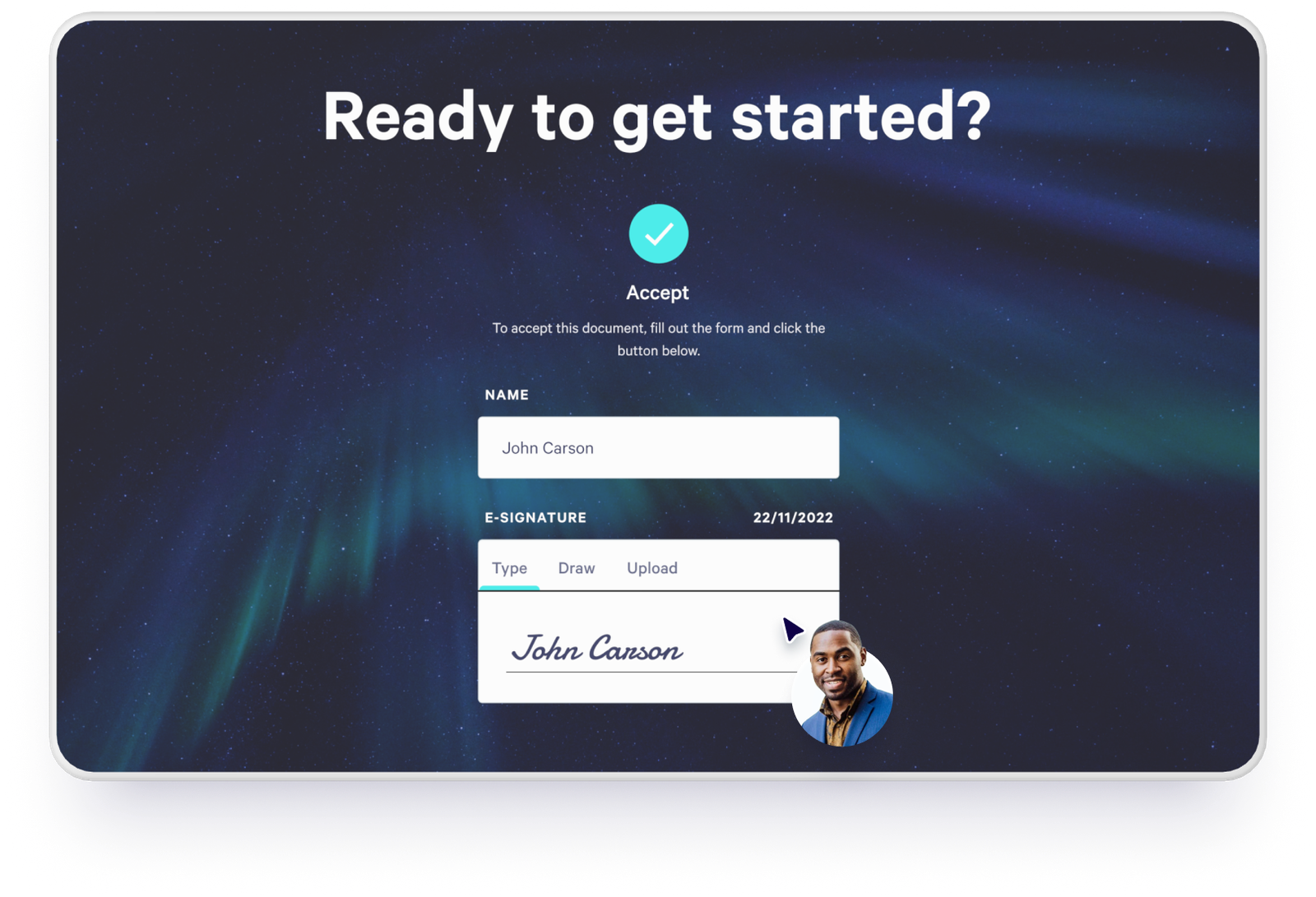
Acceptance can be just as quick. Buyers can approve, e-sign, and even pay within the proposal experience, which cuts out the back-and-forth that tends to drag out the final stage of almost every deal.
How do interactive proposals improve buyer visibility and analytics?
Once a proposal is web-based, you're no longer sending a file into a black hole; you can see what happens after you hit send.
Proposal engagement tracking
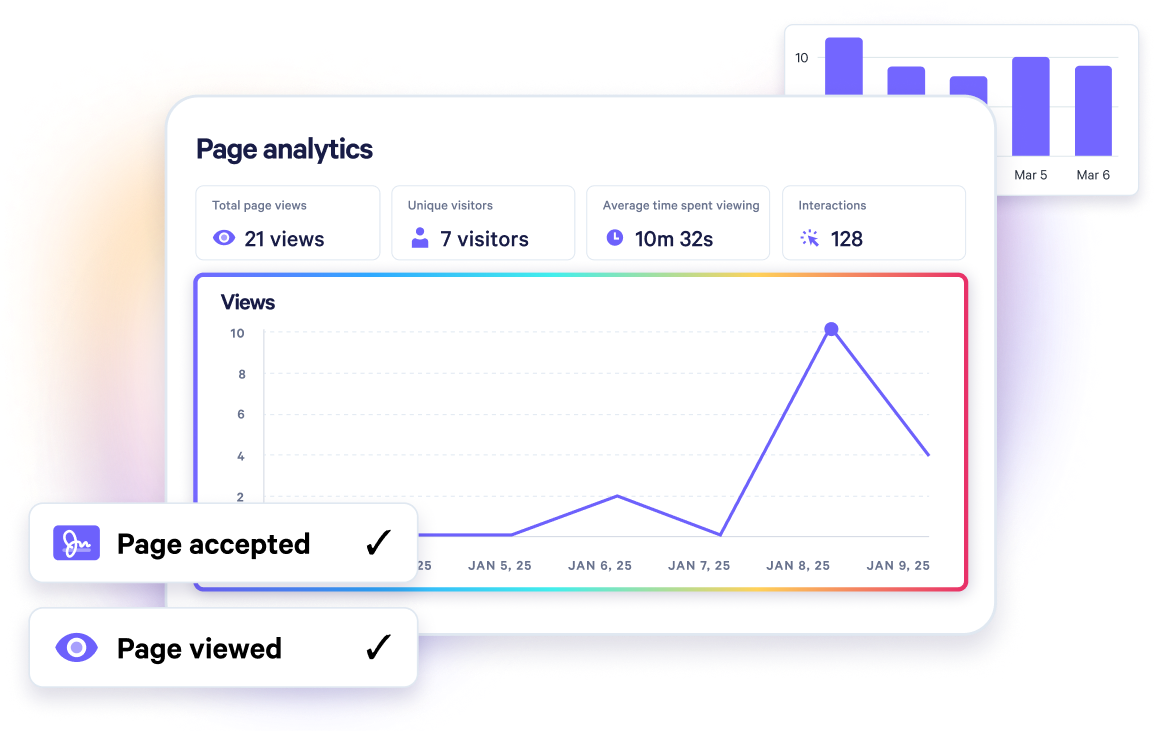
One of the biggest advantages of interactive proposal software is the visibility it gives reps after a proposal is sent. For sales teams looking to track proposal opens and engagement, modern proposal platforms provide real-time insight into how buyers interact with proposals after they're shared.
Instead of guessing whether a proposal was opened, reps can get real-time notifications when it's viewed, how long buyers spend in each section, and which pricing options they interact with. That's more than a nice-to-have. It changes how you follow up.
If a rep can see a buyer spent twelve minutes on pricing but only thirty seconds on the executive summary, they know exactly where the real questions are. Without that visibility, most follow-ups default to a generic "Just checking in…" email and a hope-for-the-best approach.
Buyer intent signals & analytics
Beyond individual sessions, analytics can show patterns across the buying team. If multiple stakeholders open the proposal on the same day, that's usually a strong signal the deal is active. If it hasn't been opened within 48 hours, it's usually a sign something's stuck , or the link got buried, and it's worth a quick follow-up to unblock it.
For revenue operations teams, this kind of engagement data can also make forecasting less guesswork. Deals that get shared and revisited tend to move faster and close more often, so you can spot healthier opportunities earlier and call the pipeline more confidently.
Which features make interactive proposal software more effective?
The best interactive proposals aren't just PDFs on a webpage. They're built to help buyers understand, share, and take action.
Embedded media & dynamic content
The ability to embed video, interactive pricing, and dynamic content turns a proposal from a recap of the sales conversation into an extension of it. Reps can add a personalized video intro, embed a product demo, or include a live pricing calculator , all within the same proposal experience.
This is especially valuable in enterprise sales, where a champion often needs to share the proposal internally. Rich, self-explanatory content gives stakeholders what they need to evaluate (and advocate for) the purchase, even when a rep isn't in the room.
CRM integrations & workflow automation
If your proposals live outside your CRM, you end up doing the same work twice. Reps copy-paste deal details into a document, then manually update the CRM when something changes.
With CRM-connected proposal software, the basics can pull through automatically (company name, contacts, pricing, line items), so you're not recreating a proposal from scratch every time. And when a buyer opens, shares, or accepts the proposal, that activity can be logged back to the deal so the whole team can see what's happening.
Integrations with tools like HubSpot, Salesforce, and Pipedrive keep proposal activity in the deal record, not buried in one rep's inbox.
Embedded payments & approvals
Even after a buyer says "yes," deals can drag because the next steps are scattered across multiple tools: sign here, pay here, then wait for an invoice. Every additional step introduces friction and creates another opportunity for momentum to stall.
Embedded payments such as QwilrPay and approvals bring those steps into one place. Buyers can accept the proposal, e-sign, and (where it makes sense) pay straight away -, without extra links or handoffs.
For mid-market SaaS in particular, that matters because recurring deals often come with a separate payment setup conversation. Putting payment inside the proposal removes a common source of friction at the finish line and creates a smoother buying experience.
At a glance: interactive proposal software vs PDFs
Criteria | Interactive Web Proposal | |
Buyer experience | Personalized, branded web page | Flat document, no interactivity |
Mobile experience | Fully responsive, optimized for any screen | Pinch-to-zoom, poor readability |
Engagement tracking | Real-time views, time-on-section, click data | No visibility once sent |
Embedded payments | Accept payment at point of acceptance | Requires separate invoicing step |
CRM interactions | Auto-syncs activity, triggers workflows | Manual data entry required |
Analytics | Buyer intent signals, stakeholder engagement | Not available |
Real-time updates | Edit live; buyer always sees current version | Must resend; version confusion |
Acceptance / e-sign | Built-in, one click | Requires separate e-sign tool |
Why interactive proposals are the future of sales workflows
Sales workflows have moved online, and proposals are starting to catch up.
Digital sales rooms
The proposal is just one piece of a much bigger picture. Buyers now expect a single, web-based place where they can find everything tied to the deal: the proposal, contract, case studies, onboarding info, and a mutual action plan, all in one spot.
Enter: the digital sales room. A shared space that stays organized as the deal moves forward, instead of turning into a messy chain of links, attachments, and forwarded emails.
Remote selling & buyer expectations
Remote selling has permanently changed the proposal dynamic. When deals are won or lost without a single in-person meeting, the proposal must do the work that a dinner, site visit, or whiteboard session used to do. It needs to be persuasive, clear, and easy to navigate, even for stakeholders the rep has never met.
Interactive proposals are built for this environment. They're designed to be shared, explored asynchronously, and understood without a rep walking someone through it.
AI & the modern sales experience
AI is showing up in a big way in proposal workflows, not as a gimmick, but as a way to move faster without losing relevance. AI integrations help teams tailor proposals at scale, recommend the right content for each deal, and spot engagement patterns that hint at real buying intent.
That only works when proposals live on the web, where content can be updated, personalized, and connected to the rest of your sales stack. Teams that move to interactive proposals now aren't just fixing today's PDF problems. They're setting themselves up for what AI-assisted selling will look like next.
Read next: PDF vs. Qwilr proposal comparison
Ready to move beyond PDF proposals?
Qwilr makes it straightforward to build interactive, web-based proposals that look on-brand, are easy to share, and give you visibility after you hit send, with CRM connections that keep everything tied back to the deal. Whether you're looking to shorten your sales cycle, improve visibility after send, or give buyers a better experience, moving from PDF to interactive is a strong place to start.
Explore Qwilr's interactive proposal software, browse sales proposal templates, or see how Qwilr integrates with your CRM to streamline your proposal workflow end to end.
If you'd like to see how it all comes together, book a demo. Our team is ready to walk you through it.
About the author

Isabella Cerini-Palozzo|Copywriter & Content Specialist
Bella is a SEO copywriter and content specialist with a background in law, before transitioning into marketing and content. She helps brands grow visibility and drive action through clear messaging and search-led content (blogs, website copy, and social), with a focus on GEO/SEO, strategy, and conversion. A lifelong storyteller with an early passion for screenwriting, she brings narrative craft to everything she creates - and when she’s not writing, you’ll find her teaching yoga or enjoy a dip in the ocean.